EcoNova
A student-led environmental initiative, since 2022
EcoNova organizes recycling drives, volunteer mobilization, tree planting, and awareness campaigns — plus an AI-assisted tool for analyzing waste composition.
EcoNova was founded in 2022 by Advik with a simple goal: make recycling and environmental responsibility tangible for students, rather than something confined to a classroom lesson. What began as a single school recycling drive has since grown into a sustained, student-organized initiative that now spans multiple schools and several kinds of environmental action — from waste collection to tree planting to public awareness campaigns.
The Waste Composition Analyzer — an AI-assisted tool for estimating the visible material makeup of a photographed waste collection — is one part of that work, built to support the data side of our recycling drives. It sits alongside, not in place of, the on-the-ground organizing described below.
Recycling drives
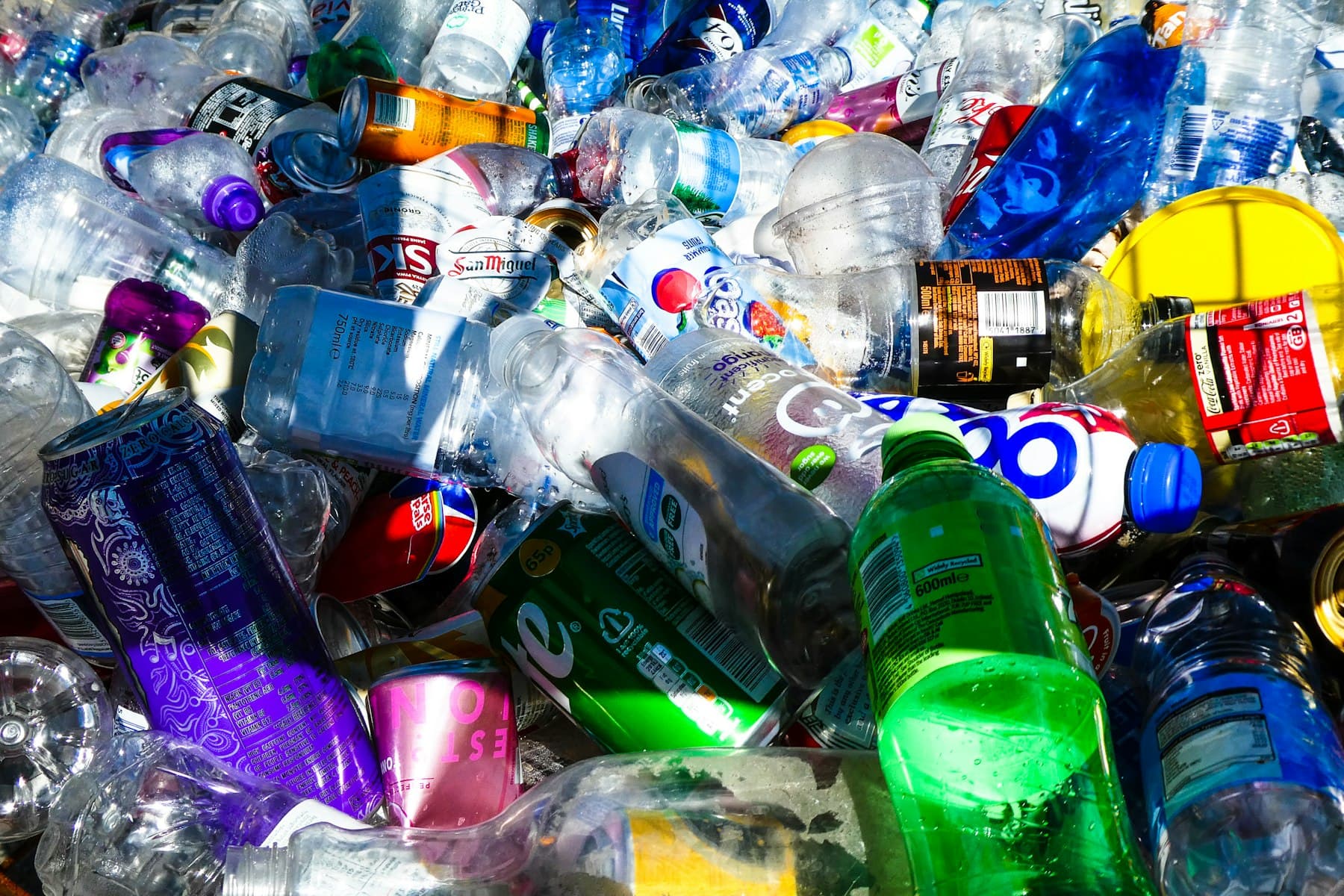
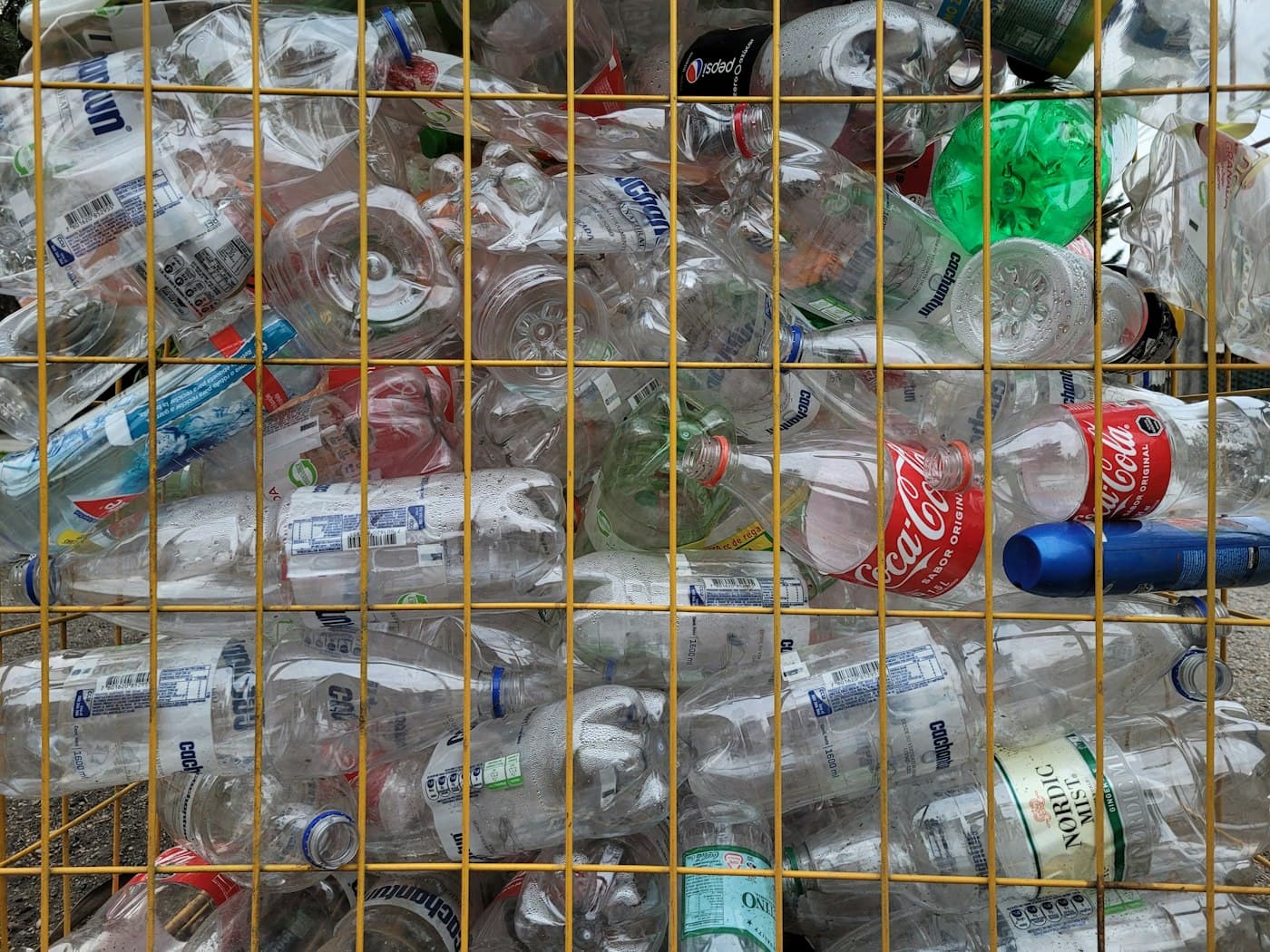
At the center of EcoNova's work are its recycling drives — organized collection days where students and volunteers gather plastic, paper, and e-waste that would otherwise end up in landfills or informal waste streams. Since 2022, EcoNova has run 15+ of these drives, collecting more than 750 kg of material across those three categories. Each drive is organized locally, typically with sorting stations set up on school grounds, so participants see firsthand how different materials are separated before being routed to the appropriate recycling channel.
Volunteers & schools
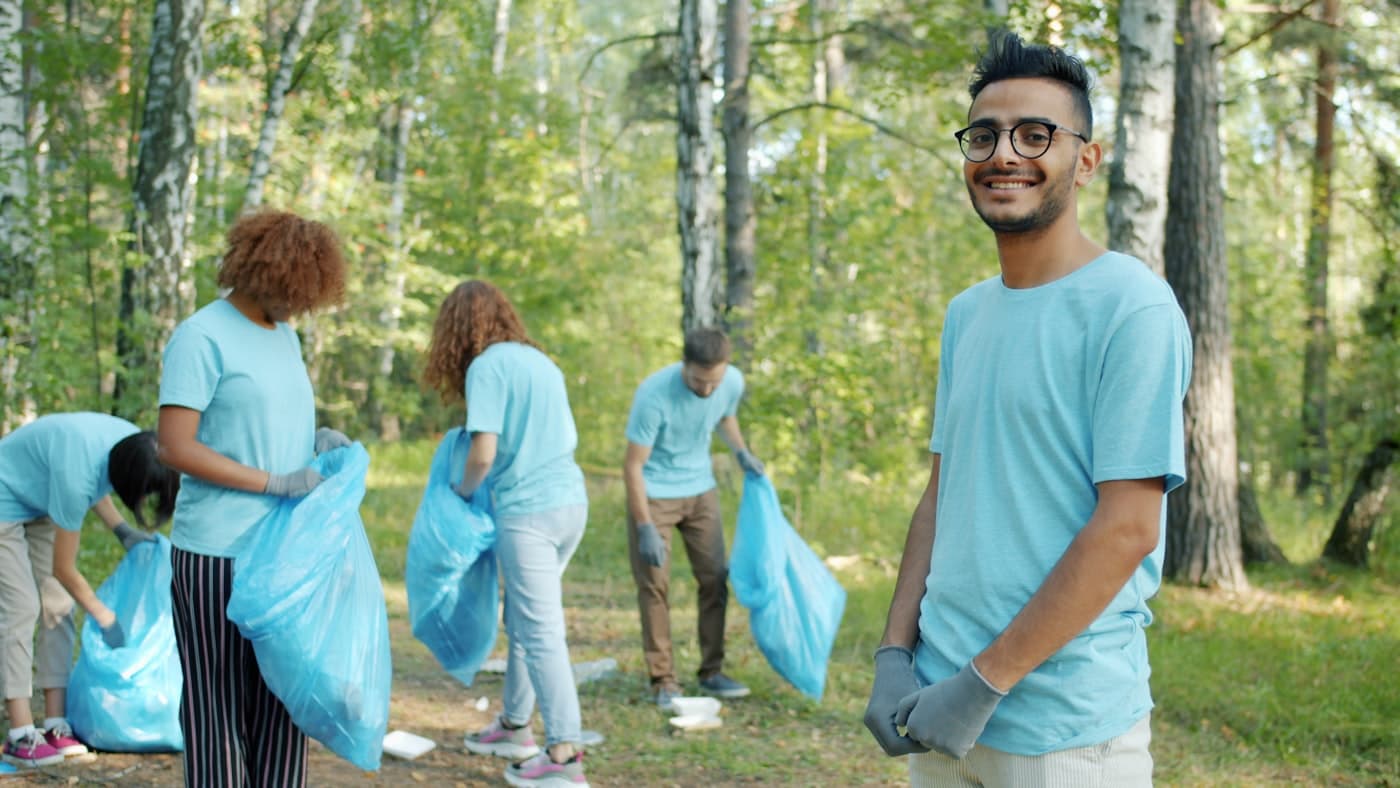
None of this happens without people. EcoNova has mobilized 89 volunteers across 9 schools, turning what could have been a one-off event into a recurring, peer-led effort. Volunteers help set up collection points, sort incoming material by category, and raise awareness among classmates about why separating waste at the source matters. The initiative is deliberately organized by students for students, so its drives are sustained by the people who benefit most from cleaner campuses and more informed peers.
Tree planting
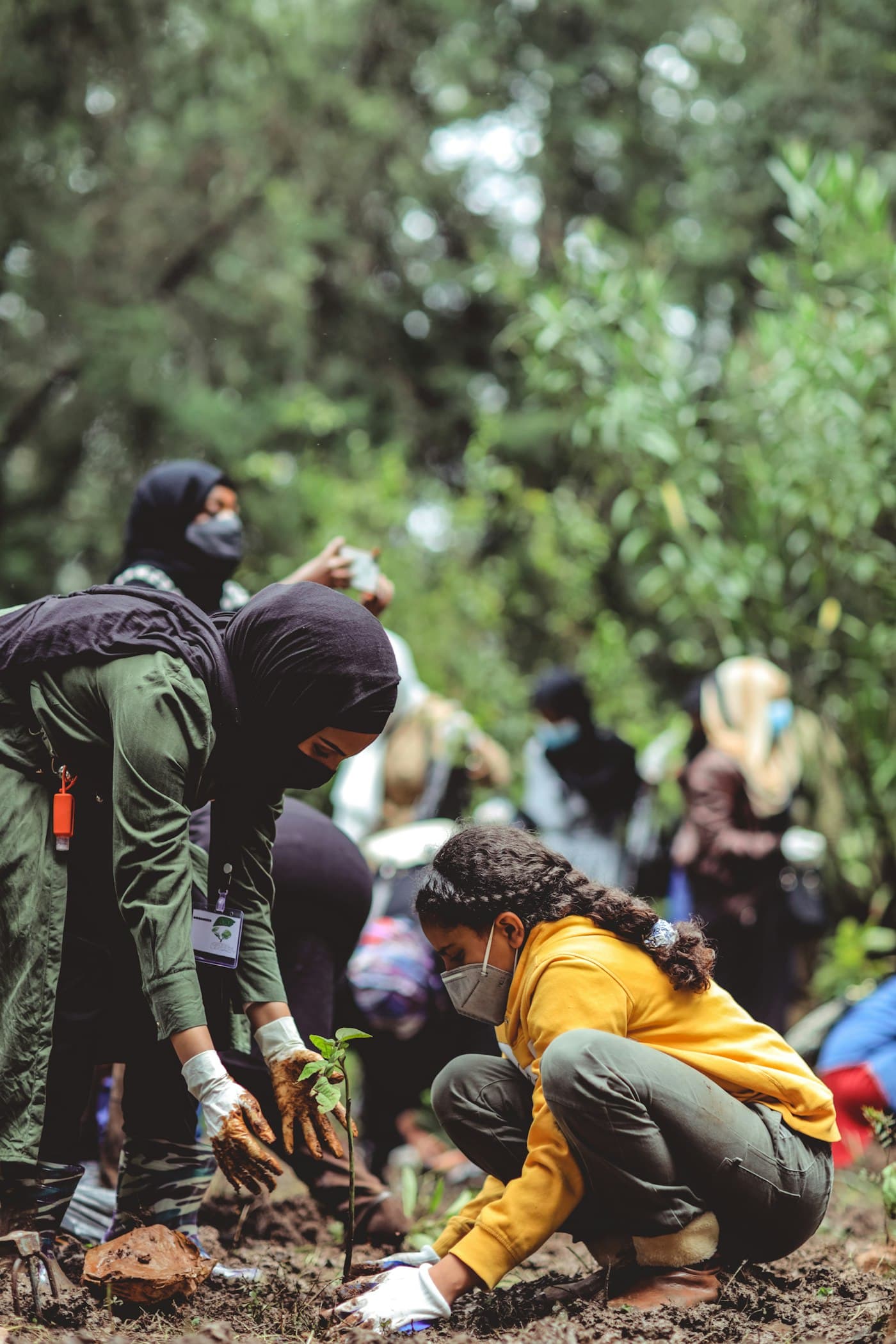
Alongside its recycling drives, EcoNova has organized tree-planting initiatives, adding vegetation back into school and community spaces. These plantings are smaller in scale than the recycling drives, but reflect the same underlying principle — that environmental impact compounds when it comes from direct, hands-on participation rather than a one-time commitment.
Water awareness
EcoNova has also raised awareness around water conservation as part of the global #TeamWater campaign, running informational campaigns to get students thinking about water use and scarcity alongside the waste they generate. Pairing water awareness with the recycling drives keeps the initiative from narrowing into a single-issue effort, and reflects the broader environmental literacy EcoNova aims to build among the students it works with.


Partnerships
To extend its reach beyond individual schools, EcoNova has partnered with the Emirates Environmental Group and UN University France — established organizations working on environmental education and sustainability. These partnerships give EcoNova's student-led drives access to guidance and a broader network of environmental initiatives, while the day-to-day work of organizing drives and mobilizing volunteers stays locally led.
Waste Composition Analyzer
One part of EcoNova's work is a small AI-assisted tool that estimates the visible material composition of a photographed waste collection — built to support the data side of our recycling drives, not to replace them.
Open the Waste Composition Analyzer →